
-

Ecopack
SKU: ED-43
Ecopack 9L Compostable Caddy Liners with Tie Handles
$4.95 - $138.60 -
 $7.62
-
 $34.95
-

MaxPak
SKU: GM60HD
MaxValu Heavy Duty 60L Black Bin Liners 85 x 63cm - Carton of 250, CTN250
$33.95 -

MaxPak
SKU: GH06T
MaxValu 27L White Tidy Bin Liners 51 x 59cm - Carton of 1000, CTN1000
$36.25 -

Ecopack
SKU: ED-2114 GREEN
Ecopack 140L Compostable Garbage Bags - Heavy Duty Wheelie Bin Liners (Roll of 5)
$8.63 -

Ecopack
SKU: ED4427
Ecopack 27L Compostable Bin Liners - Box Dispenser Medium (1 Box/50 Bags)
$21.36 -

Ecopack
SKU: ED4418
Ecopack 18L Compostable Bin Liners - Box Dispenser Small (1 Box/50 Bags)
$21.36 -

Ecopack
SKU: ED4408
Ecopack 8L Compostable Bin Liners - Box Dispenser XS (1 Box/60 Bags)
$20.86 -

Ecopack
SKU: ED4436
Ecopack 36L Compostable Bin Liners - Box Dispenser Large (1 Box/40 Bags)
$22.27 -

Ecopack
SKU: ED-2060
Ecopack 60L Compostable Bin Liners (1 Roll/5 Bags)
$5.36 -

Ecopack
SKU: ED-2080 GREEN
Ecopack 80L Compostable Garbage Bags (1 Roll/10 Bags)
$11.35 -

Ecopack
SKU: ED-2036
Ecopack 36L Compostable Bin Liners Large (1 Roll/15 Bags)
$6.27 -

Ecopack
SKU: ED-2018
Ecopack 18L Compostable Bin Liners Small (1 Roll/20 Bags)
$5.36 -

Ecopack
SKU: ED-2000
Ecopack 8L Compostable Bin Liners XS (1 Roll/30 Bags)
$5.36 -

Ecopack
SKU: ED-2027
Ecopack 27L Compostable Bin Liners Medium (1 Roll/20 Bags)
$6.27 -

Ecopack
SKU: ED-2240
Ecopack 240L Compostable Wheelie Bin Bags (1 Roll/5 Bags)
$9.00 -

Huhtamaki
SKU: LDBIN82E
82LT Extra Heavy Duty Black Bin Liners - Carton of 200pcs (8 Bags x 25 Liners) - CTN200
$59.00 -
MaxPak
SKU: GS120N
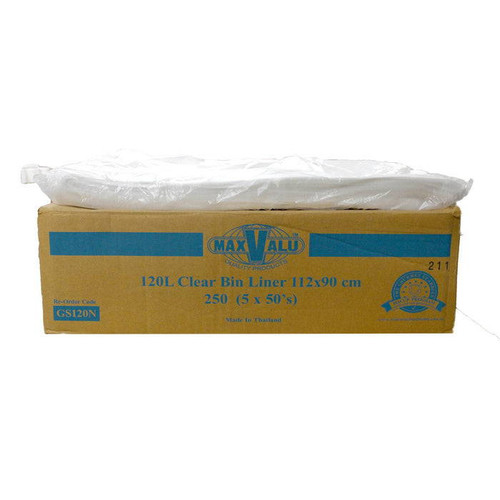
MaxValu 120L Clear Liners 112x90cm - Carton of 5 Bags (250pcs)
$50.00 -

Huhtamaki
SKU: KTL
Large 36L Kitchen Tidy Liners Roll - Carton of 1000pcs (20 Rolls x 50 Liners), CTN1000
$42.00 -
MaxPak
SKU: GL120
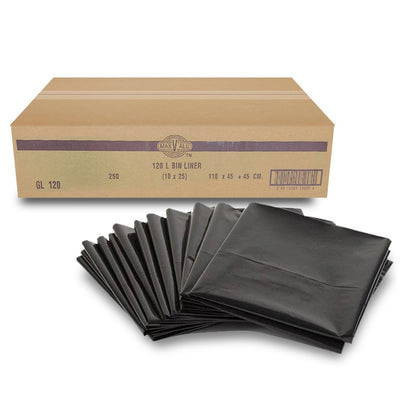
Heavy Duty 120L Black Bin Liners 110x45+45cm - Carton of 250 Bags (25 Bags/Pack), CTN250
$43.00 -

Huhtamaki
SKU: KTMB
Huhtamaki Medium Kitchen Tidy Liners Black 27L - Carton of 1000 (20 Rolls x 50 Liners)
$34.00 -

Detmold
SKU: IW208/3070175
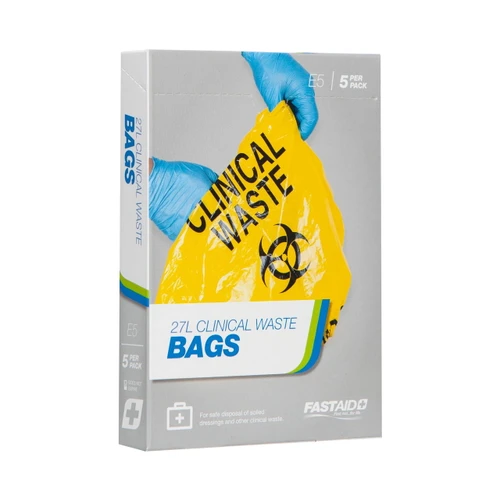
Contaminated Waste Bags 27L 300 x 210 x 600mm - Box/50
$9.99 -

Huhtamaki
SKU: LDBIN73RE
73LT Extra Heavy Duty Black Bin Liners - Carton of 250 (10 Rolls x 25 Liners)
$52.00 -

MaxPak
SKU: GH08T
36L Tidy Roll Bin Liners White 66 x 58cm - Carton of 1000pcs (50 Bags/Roll), CTN1000
$38.50 -

MaxPak
SKU: GH78
MaxValu 78L Premium All-Purpose Bin Liners Black 91x76cm - Carton of 5 Packs (50 Bags/Pack)
$32.00 -

Huhtamaki
SKU: LDBIN73RH
73LT Heavy Duty Black Bin Liners 760 x 900cm - Carton of 250 (10 Rolls x 25 Liners), CTN250
$33.72 -

MaxPak
SKU: GH12R
MaxValu 54L Easy Tear Garbage Bag 89 x 63cm - Carton of 600pcs (50 Bags/Roll), CTN600
$55.00 -

SKU: CNW003
Contaminated Clinical Waste Bags 40L - PKT/50
$35.00 -
 $0.00
-
 $12.00
-

MaxPak
SKU: GH08BT
MaxValu 36L Black Tidy Roll Bin Liners 66 x 58cm - Carton of 20 Rolls (50 Bags/Roll)
$38.50 -

MaxPak
SKU: GH06B
MaxValu 27L Black Tidy Bin Liners - Carton of 20 Rolls (50 Bags/Roll)
$33.00 -

ThinkPac
SKU: BL-27LA
Thinkpac 27L Kitchen Tidy Black Bin Liners 1000pc
$0.00 -

ThinkPac
SKU: BL-78LTH
ThinkPac 78L Black Bin Liners
$32.00 -
ThinkPac
SKU: BL-240LPR
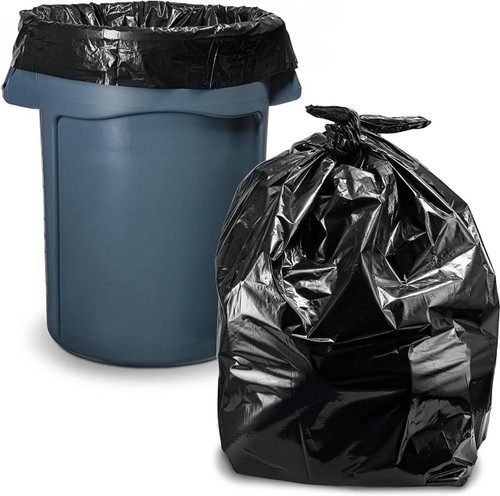
ThinkPac 240LT Bin Liners/Rubbish Bags (100 Bags)
$40.00 -

ThinkPac
SKU: BL-120LB
ThinkPac 120LT Bin Liners/Rubbish Bags (200 Bags)
$35.00 -

ThinkPac
SKU: WH-36LMO
36L White Kitchen Tidy Bin Liners 1000pcs
$40.00 -

Biofast
SKU: BLC27H18BFI-PARENT
Sanitary Bin Liners
$84.00 -

Biofast
SKU: BFINC
Incinerate Waste Bags
$235.00 - $332.00 -

Biofast
SKU: CWL
Cytotoxic Waste Bags
$170.00 - $250.00 -

Biofast
SKU: IWY
Clinical Waste Bags
$55.00 - $340.00
★ Registered NDIS Provider – NDIS participants welcome. See how to order →★ Registered NDIS Provider · How to order →Free delivery over $199 (T&Cs apply)
Tap to order by phone: 03 8905 4449
*Free delivery over $199 (metro, excl. Darwin & bulky items) *Australian Owned and Operated *Melbourne Based Customer Service *Tel: 03 8905 4449