★ Registered NDIS Provider – NDIS participants welcome. See how to order →★ Registered NDIS Provider · How to order →Free delivery over $199 (T&Cs apply)
Tap to order by phone: 03 8905 4449

    *Free delivery over $199 (metro, excl. Darwin & bulky items)     *Australian Owned and Operated     *Melbourne Based Customer Service     *Tel: 03 8905 4449

Kaltostat Alginate Dressings

(Showing 2 of 2)

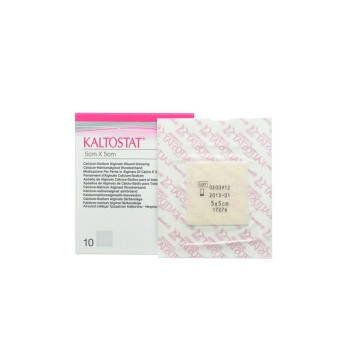
Kaltostat calcium alginate dressings

Kaltostat by ConvaTec is a calcium sodium alginate dressing. It absorbs wound fluid and forms a soft gel, and its calcium content helps stop minor bleeding. Clinics, community nurses and aged care homes use it on moderately to heavily exuding wounds, cavity wounds and donor sites.

  • Buy online, no account needed: anyone can order at the listed price – patients, families, carers and businesses.
  • Trade pricing: open a trade account for wholesale prices; 30-day accounts for aged care homes.
  • Registered NDIS provider: we invoice your plan manager or claim from the NDIA.
  • Fast dispatch from our Melbourne warehouse; free metro delivery over $199 (excluding bulky items).
  • Talk to a real person: call 03 8905 4449 (Mon–Fri 9am–6pm, Sat 10am–3pm) for help choosing the right product.

Kaltostat sizes

ProductUse it for
Kaltostat 5 x 5cmSmall wounds, minor bleeding points, packing small cavities.
Kaltostat 7.5 x 12cmLarger wounds such as leg ulcers, pressure injuries and donor sites.
Read More

How to use Kaltostat

  • Cut to the size of the wound so it does not overlap healthy skin.
  • Cover with a secondary dressing such as a foam or absorbent pad.
  • Remove with saline if it has dried out; it should come away as a gel.

FAQs

What is Kaltostat used for?

Moderate to heavily exuding wounds and wounds with minor bleeding, such as leg ulcers, pressure injuries, donor sites and post-procedure wounds.

Does Kaltostat need a secondary dressing?

Yes. Cover it with a foam, film or absorbent dressing to hold it in place and manage fluid.

Can Kaltostat be used on a dry wound?

No. Alginates need wound fluid to gel and can stick to dry wounds. Use a hydrogel or hydrocolloid instead.

Related categories

See all alginate and gelling fibre dressings and wound dressings.

Compare