★ Registered NDIS Provider – NDIS participants welcome. See how to order →★ Registered NDIS Provider · How to order →Free delivery over $199 (T&Cs apply)
Tap to order by phone: 03 8905 4449

    *Free delivery over $199 (metro, excl. bulky items)     *Australian Owned and Operated     *Melbourne Based Customer Service     *Tel: 03 8905 4449

Foam Dressings

(Showing 12 of 89)

Foam Dressings

Foam wound dressings absorb moderate to heavy exudate while keeping the wound bed moist, and they cushion the area underneath. BIOFAST supplies foam dressings to clinics, hospitals, aged care facilities and NDIS providers across Australia, in single units and bulk boxes.

Read More

How to choose a foam dressing

Match the foam to the exudate, not to the wound size. A foam that is too absorbent will dry the wound bed and stall healing. One that is not absorbent enough will strike through and macerate the surrounding skin. If the dressing is dry on removal, step down. If exudate is reaching the edges, step up or change more often.

Adhesive or non-adhesive. Adhesive and bordered foams carry their own fixation and suit intact surrounding skin. Non-adhesive foams are held with a bandage, tape or retention dressing and are the right choice where the peri-wound skin is fragile, where the dressing sits over a joint, or where frequent inspection is needed.

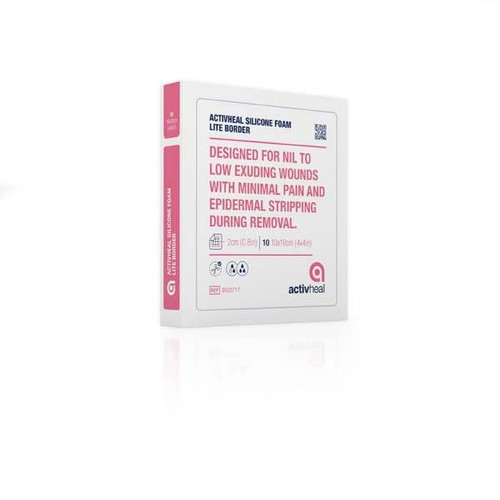
Silicone-faced foams use a soft silicone contact layer that lifts away without stripping skin. These are the default on ageing skin, on patients on long-term steroids, and anywhere a previous dressing change caused a skin tear.

Shaped foams are profiled for the sacrum and the heel. A flat dressing on a heel will rucker and create its own pressure point, so use the shaped version where one exists.

Wear time. Foam dressings can often stay in place for several days, which reduces disturbance to the wound bed and cuts nursing time. Exudate level and clinical assessment decide the interval, not the maximum stated on the pack.

Common uses

Pressure injuries, venous and arterial leg ulcers, diabetic foot ulcers, surgical wounds healing by secondary intention, skin tears, donor sites, and as a secondary dressing over an alginate or gelling fibre in a cavity wound.

Foam is not suitable for dry wounds, wounds with minimal exudate, or as a primary dressing on a wound needing debridement.

Types of Foam Dressing

  • Adhesive and bordered: include an adhesive border, so no separate fixation is required.
  • Non-adhesive: held in place with a bandage, tape or retention dressing.
  • Silicone-faced: a soft silicone contact layer, used where surrounding skin is fragile.
  • Shaped: sacral and heel profiles designed to fit those areas.

Stocked brands include 3M Tegaderm, Aquacel Foam Pro, Biatain and ActivHeal. Check individual product pages for sizes, border type and box quantities.

Foam dressings are generally used where a wound produces moderate to heavy exudate. Selection should be made by a qualified clinician based on the individual wound.

Related Categories

See also silicone dressings, adhesive and island dressings and wound dressings, or browse the full wound care range.

Compare
Show 12 24 36 48