★ Registered NDIS Provider – NDIS participants welcome. See how to order →★ Registered NDIS Provider · How to order →

    *Free delivery over $199 (metro, excl. bulky items)     *Australian Owned and Operated     *Melbourne Based Customer Service     *Tel: 03 8905 4449

Alginate & Gelling Fibre Dressings

(Showing 6 of 18)

Alginate & Gelling Fibre Dressings

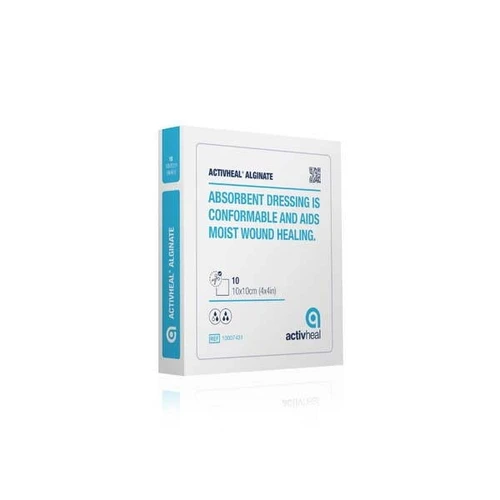
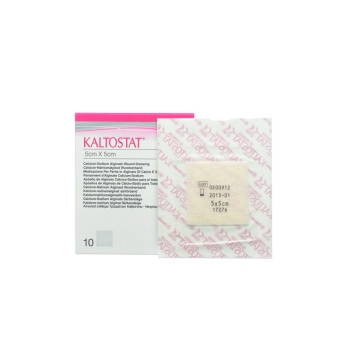
Alginate and gelling fibre dressings absorb heavily and convert to a gel on contact with exudate, so they conform to the wound bed and can be packed into cavities. They are the primary dressing of choice for moderate to heavily exuding and undermining wounds. BIOFAST supplies them to clinics, hospitals, aged care facilities and NDIS providers across Australia.

Read More

Alginate or gelling fibre?

Alginate is derived from seaweed. It absorbs exudate and forms a gel, and it has haemostatic properties, which makes it useful on bleeding wounds and after debridement. It is highly conformable and packs well into irregular cavities. Its weakness is wet strength: a saturated alginate can fragment on removal, so it needs irrigating out rather than lifting in some cases.

Gelling fibre and hydrofiber dressings absorb vertically rather than laterally. That matters clinically, because sideways wicking is what macerates the peri-wound skin and turns a manageable wound into a larger one. These dressings hold their structure when saturated and generally lift out in one piece, which shortens dressing changes and avoids retained fibres in the wound bed.

If one-piece removal matters, or the wound is deep or undermining, choose a gelling fibre. If the wound is bleeding or you need maximum conformability at lower cost, an alginate is usually the better call.

How to use them

Both are primary dressings and need a secondary dressing over the top, typically a foam or film chosen to match the exudate level. Pack loosely into a cavity rather than tightly; overpacking raises pressure in the wound bed and slows healing. Leave a tail where the dressing needs to be retrieved.

Neither is suitable for dry wounds or wounds with minimal exudate. These dressings need moisture to gel, and on a dry wound they will adhere and cause trauma on removal.

Silver versions

Both alginate and gelling fibre are available with ionic silver for wounds where infection is present or the risk is high. Those sit in our silver and antimicrobial dressings range.

Common uses

Cavity and undermining wounds, pressure injuries, venous and arterial leg ulcers, diabetic foot ulcers, dehisced surgical wounds, donor sites and bleeding wounds after debridement.

Selection should be made by a qualified clinician based on the individual wound.

Related Categories

See also foam dressings, silicone dressings and gauze and swabs, or browse the full wound care range.

Compare
Show 12