


Description
LiquiBand Optima Topical Skin Adhesive 0.35g - Box of 10
It is designed for closure of clean, fresh wounds where the edges are easily apposed and not under tension, suitable for the closure of acute wounds including scalp, chin, and facial lacerations and acts as a water resistant barrier.
FEATURES
- Contains a sterile blend of 90% butyl and 10% octyl cyanoacrylate.
- Acts as a water resistant barrier.
Perfectly suited for use in Emergency Departments
- Designed for closure of clean, fresh wounds where the edges are easily apposed and not under tension.
- Contains a sterile blend of 90% butyl and 10% octyl cyanoacrylate.
- Suitable for the closure of acute wounds including scalp, chin, and facial lacerations.3
- Acts as a water resistant barrier.4 Pre assembled with an integrated flow control precision tip.
Design Features
1 Unique applicator
- Winged applicator allows easy and safe priming application
- Visidome enables clinician to see how much skin adhesive is available
2 Precision control applicator tip
- Safe, effective and rapid wound closure for scalp lacerations
- Precision control tip ideal for areas of dense hair growth
Improved patient safety
- Delivers safe, fast closure
- Offers excellent post-operative cosmesis
- Provides low exothermic reaction
Fast and precise
- Strong and secure wound closure
- Quick 10-second dry time1
- Controlled placement of adhesive
Application Guide
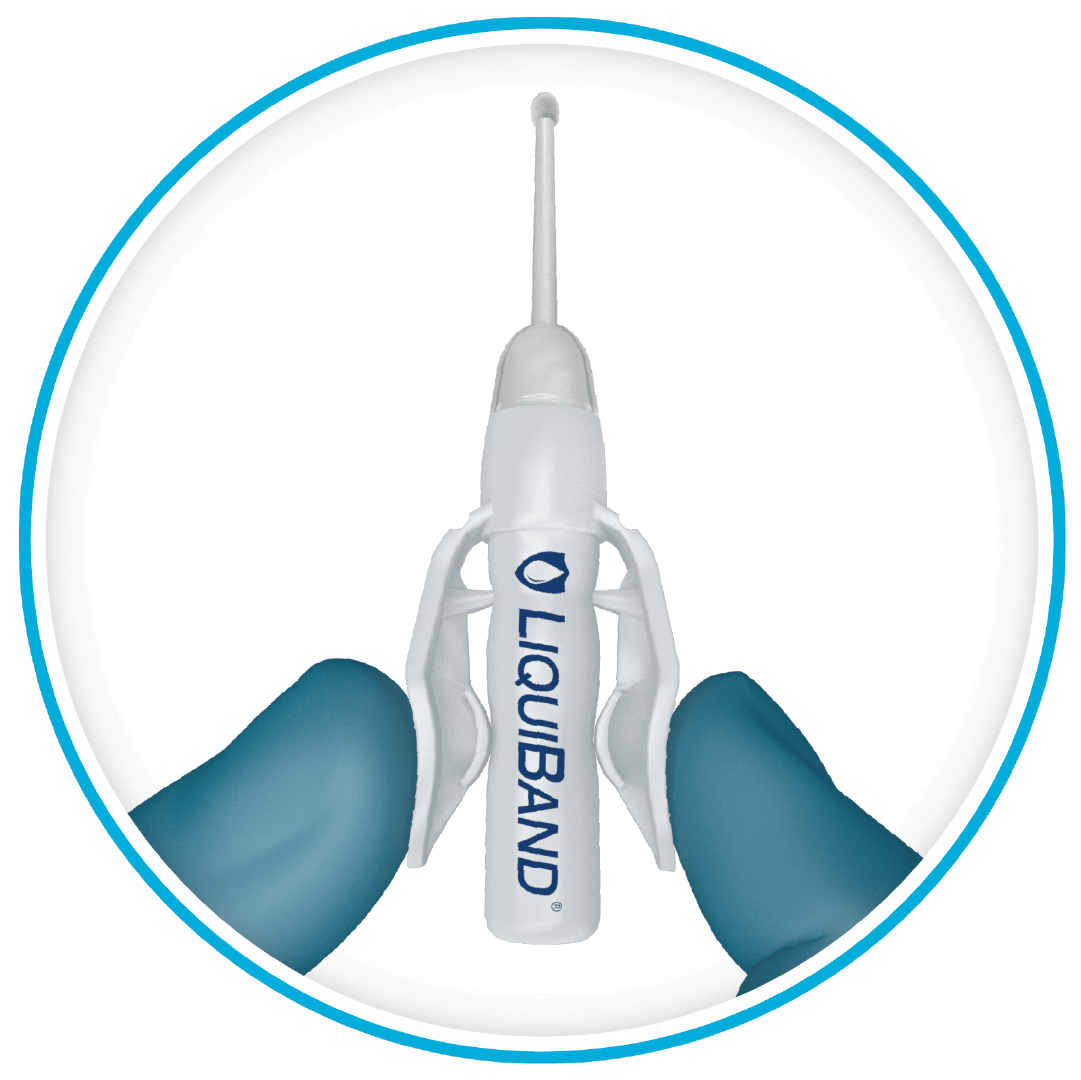
STEP 1
- While holding upright, squeeze the applicator wings until a cracking sound is heard
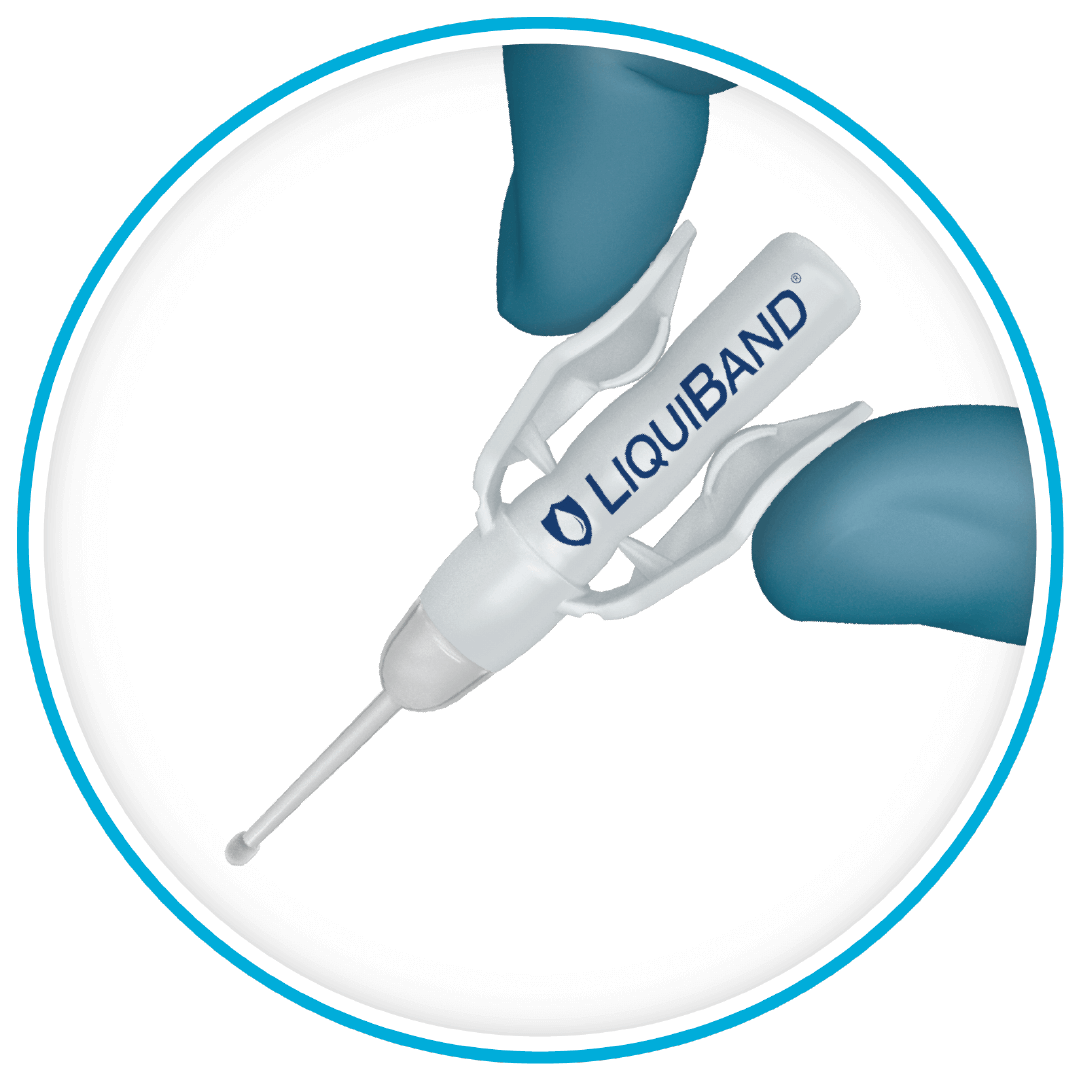
STEP 2
- Invert the tip and gently squeeze wings to prime
- When the tip fills with adhesive LiquiBand® Optima is ready to use
- Ensure that wound is thoroughly clean and dry prior to closure
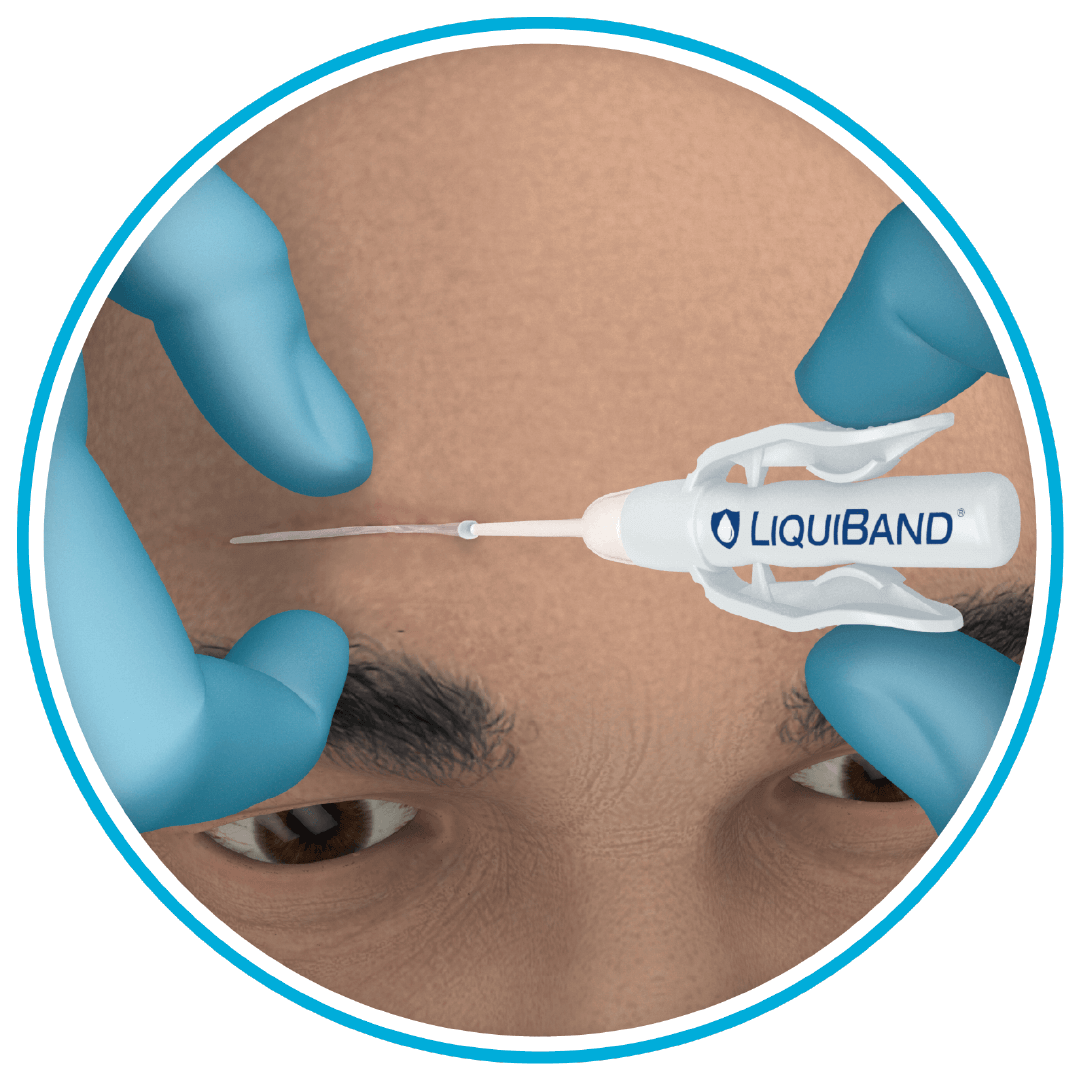
STEP 3
- While holding the wound edges together, apply an even coat of LiquiBand® Optima over the length of the wound
- Continue to hold the wound edges together for 30 seconds
NOTE: If being used in areas of dense natural hair, take care when applying as hair follicle damage may occur if over applied. If using on the eye area, adjust the patient’s position. Use petroleum jelly to create a barrier close to the wound, and use surgical gauze to protect the patient’s eyes.
Extra Information
Brand:
Liquiband


